
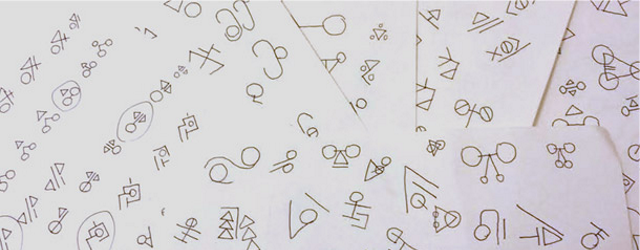
Details. The little things that aren’t core to a game’s design or mission, that a game could ship without, they are often what gets cut when budgets and deadlines start to loom. But details can make or break a game;details can be the difference between success and failure, fun and boring, engaging and shallow. They can add spice and variety reward inquisitive players, and perhaps most importantly, let the lore and world you’ve created hold up under closer scrutiny.
Today we’re going to look at one such detail: designing an alien alphabet for your game.
Read More →
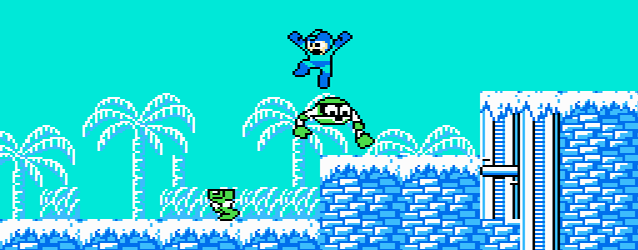
 Path planning, the noble art of getting from A to B, is an integral part of many games and has been the subject of a huge amount of research, not to mention wailing and gnashing of teeth. Like so many things though, pathing is something that the player will only notice when it fails – when it works it’s just another part of the game. There is more to path planning than work/fail however, and in fact the algorithms used, the decisions taken and the
  Having covered the map generation and the AI, let’s wrap up the Extraction series with an overview of the game itself, how the previous topics feed into the gameplay, and just where it might go in the future.
 This is the third part of my
  This is the second post in my
 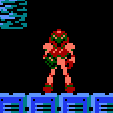 I’ve been reading a lot recently about game design in the “early days” – the NES era. In those days games were real games, difficulty curves could be like brick walls and tutorials simply didn’t exist as a game design concept.